
Is there anything left to do besides protesting or giving away free potatoes to Belgian consumers and the King, in the hope that the Mercosur deal will still be called off?
As it looks now, various agricultural products will find their way from South America to Europe more easily if this deal goes through. Widespread protests will likely offer little solace, even though I understand the concerns of agricultural producers in Flanders.
The justified criticism from farmers and consumers is that imported products do not (have to) meet the same production and quality standards as European products. Consider the recent findings of growth-promoting hormones in Brazilian meat entering the EU.
Growing Awareness
In Europe, consumer awareness regarding the climate impact of food is growing. Processing companies are being encouraged to communicate this to their customers so they can take further action. All of this is aimed at stimulating climate-conscious consumption.
In Europe, and more specifically in Belgium and The Netherlands, we have a very high-performing agricultural sector that also values quality. Not only product quality but also the quality of the production process is taken into account: beef is produced without hormonal growth promoters, lower nitrogen emissions to the environment are becoming increasingly important, and high productivity often goes hand in hand with a low CO2 footprint per kg of beef.
"A crucial tool in defending our agricultural products on the supermarket shelf is transparent communication about product quality and the production process. In this area, we must actively build an alliance with the consumer, supported by rational arguments."
Wim Govaerts
CO2 footprint of Beef
An obvious argument is the CO2 footprint of beef.
Brazilian Beef Cattle
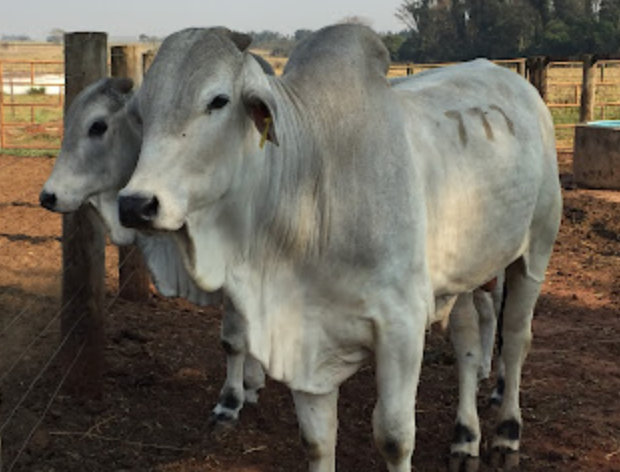
The 2019 publication Pegada de carbono da carne bovina brasileira exportada para a União Europeia: sumário executivo teaches us that the CO2 footprint of Brazilian beef is quite high: 23 monitored farms had an average CO2 footprint of 44.6 kg CO2-equivalent per kg of deboned beef, with a variation ranging from 27 to 99 kg CO2-eq.
Flemish Beef Cattle
Beef production in Flanders is also quite diverse. The Farmdesk model farm with Belgian Blue cattle manages to limit its footprint to 16.3 kg CO2-eq per kg of live weight. With live weights of 750 kg, a slaughter yield of 70%, and 100 kg of deboning waste, we arrive at 28.7 kg CO2-eq per kg of deboned meat. This is significantly lower than the Brazilian average of 44.6 kg CO2-eq.
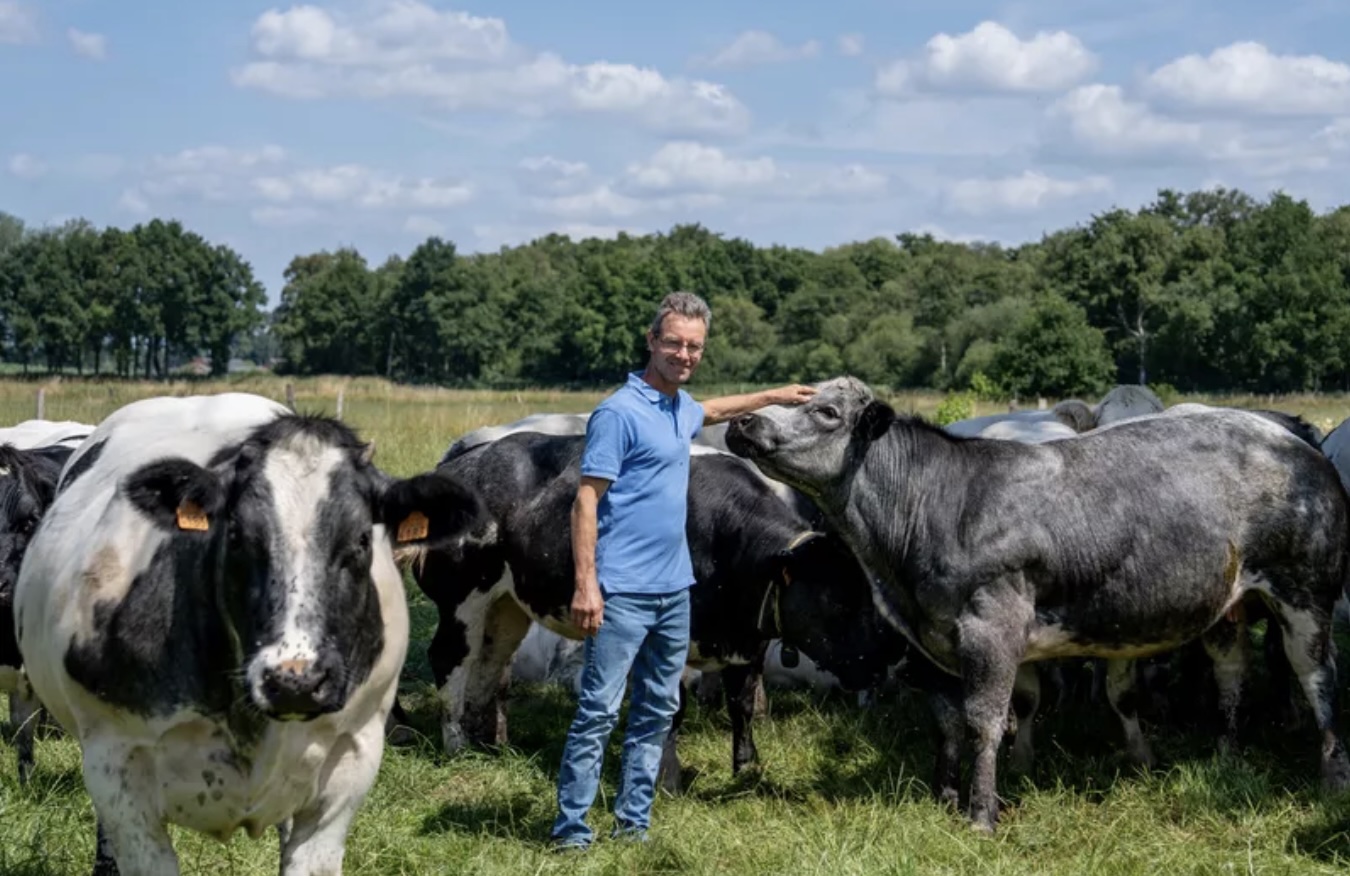
As mentioned in the article, the farm can become even more climate-friendly by focusing on greater feed autonomy. With the same technical performance, the farm could evolve to a CO2 footprint of 26.4 kg CO2 per kg of deboned meat: lower than the best-performing farm in the Brazilian sample.
Culled Dairy Cows
In addition to "pure" beef cattle, we can also look at beef from culled dairy cows. The Farmdesk dairy model farm with Holstein cows has a CO2 footprint of 1.058 kg CO2-eq per kg of fat-and-protein-corrected milk. With its farm-specific energy allocation factor of 91.9% for milk and 8.1% for meat, and a weight of 685 kg, this results in a footprint of 4.6 kg CO2-eq per kg of live weight. Taking into account a slaughter yield of 51% and 100 kg of deboning waste, we reach 12.5 kg CO2-eq per kg of deboned meat.
This is significantly lower than average Brazilian beef and also lower than the climate-friendly Flemish beef farm. This provides another selling point to the Flemish consumer.
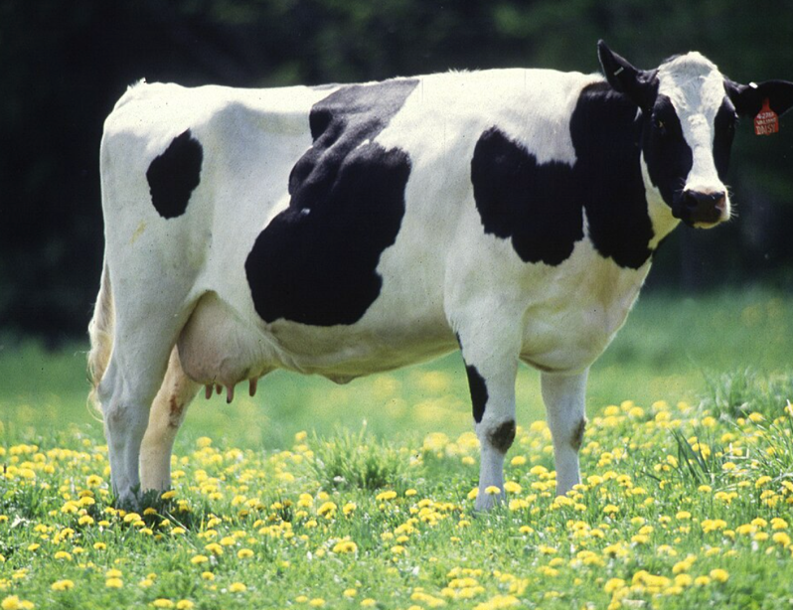
It is logical that meat from culled cows has a lower CO2 footprint than that of pure beef cattle, as a large part of the CO2 can be attributed to the milk production.
Dairy Steers (Bulls)
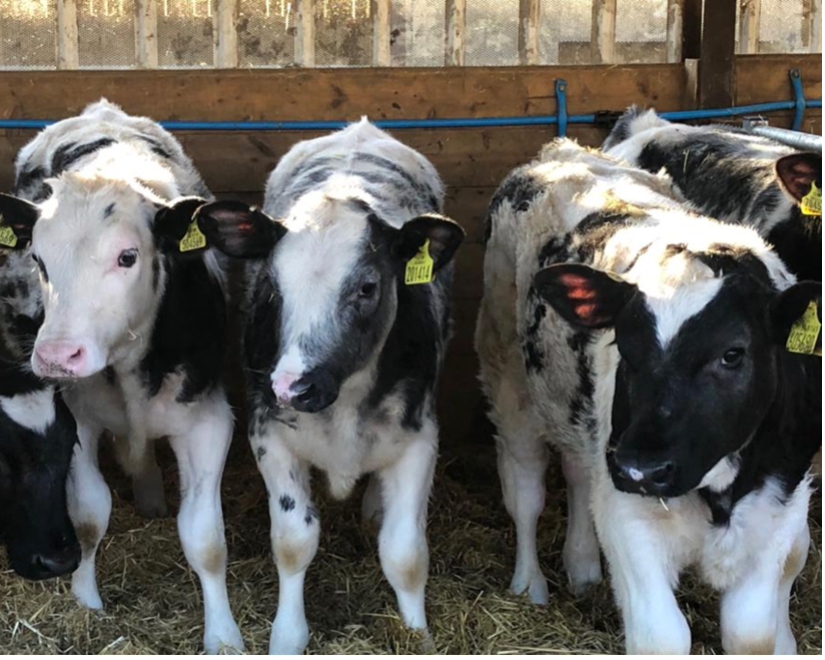
Finally, we look at the CO2 footprint of meat produced from steers born to these dairy cows.
If these are steers from a dairy breed with a slaughter yield of only 52.5% and 100 kg of cutting waste, we arrive at 23.4 kg CO2-eq per kg of deboned meat.
With crossbreeds (dairy x beef) and a slaughter yield of 60%, we could drop to 18.0 kg CO2-eq per kg of deboned meat.
Summary
If we cannot stop the Mercosur deal, perhaps we can spark climate awareness among consumers?
The CO2 footprint per kilogram of meat from our productive farms, driven by craftsmanship and climate awareness, is lower than the meat from even the best South American farms.
The consumer as an ally, convinced by rational scientific arguments, will likely be the best answer to the Mercosur deal. This is especially true when coupled with transparency regarding medication or growth-promoting hormone use, nitrogen efficiency, and landscape effects where water quality and biodiversity are prioritized.
| CO2footprint per kg deboned meat | kg CO2-eq |
|---|---|
|
Brazilian beef cattle |
27 – 99 |
|
Belgian Blue beef cattle (FD model farm) |
28,7 |
|
Belgian Blue optimized |
26,3 |
|
Dairy steers (52.5% slaughter yield) |
23,4 |
|
Crossbred steers (60% slaughter yield) |
18,0 |
|
Culled dairy cows (FD model farm) |
12,5 |
Culled cows perform the best, followed closely by crossbred steers. Pure dairy steers also score well, and with minor climate optimization, Belgian Blue beef farms also perform better than the best Brazilian beef farm from the cited study.
"The analysis shows that we have plenty of arguments to encourage Flemish consumers, from a climate perspective, to consume Flemish beef instead of imported meat."
Wim Govaerts